Ongecategoriseerd
Alumni

Alumni
Alumni
Staff alumni
| Maria Kalogeropoulou | 2026 | PnD Candidate at CTR |
|
| Yue Wang | 2026 | PnD Candidate at cBITE |
|
| Helen Kearney | 2026 | PhD Candidate at CTR |
|
| Milena Ślęczkowska | 2026 | Post-doc at CTR |
|
| Gabriele Obino | 2026 | PhD Candidate at CTR |
|
| Timo Rademakers | 2026 | Lab Manager |
|
| Chloe Trayford | 2025 | PhD Candidate at IBE |
|
| Pierpaolo Fucile | 2025 | Post-doc at CTR |
|
| Aleksandra Rak-Raszewska | 2025 | Post-doc at CTR |
|
| Martyna Nikody | 2025 | PhD Candidate at cBITE |
|
| Hamidreza Jafarina | 2025 | PhD Candidate at cBITE |
|
| Fiona Rosaleen Passanha | 2025 | Project Manager Cell Therapy Group |
|
| Claudia del Toro Runzer | 2025 | PhD Candidate at cBITE |
|
| Fangzho Lu | 2025 | PhD Candidate at cBITE |
|
| Tony Feliciano | 2025 | PhD Candidate at CTR |
|
| Mariana Arreguín Campos | 2025 | PhD Candidate at CTR/cBITE |
|
| Mahsa Ebrahimi | 2025 | PhD Candidate at CTR/cBITE |
|
| Niloofar Khoshdel Rad | 2025 | Post-doc at cBITE |
|
| Joanna Babilotte | 2025 | Post-doc at CTR |
|
| Daniel Carvalho | 2025 | PhD Candidate at cBITE |
|
| Francis Morgan | 2025 | PhD Candidate at CTR/IBE |
|
| Chloe Trayford | 2025 | PhD Candidate at IBE |
|
| Francesca Perin | 2024 | PhD Candidate at CTR |
|
| Gözde Sahin | 2024 | PhD Candidate at CTR/cBITE |
|
| Gabriella Maria Fois | 2024 | PhD Candidate at CTR/cBITE |
|
| Aygül Zengin | 2024 | PhD Candidate at CTR |
|
| Gabriele Addario | 2024 | PhD Candidate at CTR |
|
| Rald Groven | 2024 | PhD Candidate at cBITE |
|
| Ivo Beeren | 2024 | PhD Candidate at CTR |
|
| Kenny van Kampen | 2024 | PhD Candidate at CTR |
|
| Xingzhen Zhang | 2024 | PhD Candidate at IBE |
|
| Mirella Haartmans | 2024 | PhD Candidate at cBITE |
|
| Shivesh Anand | 2024 | PhD Candidate at CTR |
|
| Zeynep Karagöz | 2024 | PhD Candidate at cBITE |
|
| Mirjam Kip | 2024 | Post-doc at CTR |
|
| Pinak Samal | 2024 | Post-doc at cBITE |
|
| Steven Vermulen | 2024 | Post-doc at CTR |
|
| Monize Caiado Decarli | 2024 | Post-doc at CTR |
|
| JiaPing Li | 2023 | Post-doc at CTR |
|
| Shahzad Hafeez | 2023 | PhD Candidate at CTR |
|
| Rhiannon Grant | 2023 | Post-doc at IBE |
|
| Andrea Calore | 2023 | PhD Candidate at CTR |
|
| Danielle Fereira Batista | 2023 | PhD Candidate at IBE |
|
| Pichaporn Sutthavas | 2023 | PhD Candidate at IBE |
|
| Pere Català Quilis | 2023 | PhD Candidate at cBITE |
|
| Anika Schumacher | 2023 | PhD Candidate at cBITE |
|
| Rick de Vries | 2023 | PhD Candidate at cBITE |
|
| Rodolfo de la Vega Amador | 2023 | PhD Candidate at cBITE |
|
| Panagiota Kakni | 2023 | PhD Candidate at IBE |
|
| Denise de Bont | 2023 | PhD Candidate at cBITE |
|
| David Boaventura Teixeira Gomes | 2023 | PhD Candidate at CTR |
|
| Jasia King | 2022 | PhD Candidate at IBE/CBITE |
|
| Victor Pablo Galván Chacón | 2022 | PhD Candidate at IBE |
|
| Daniel De Melo Pereira | 2022 | PhD Candidate at IBE |
|
| Fiona Passanha | 2022 | PhD Student at cBITE |
|
| Elizabeth Rosado Balmayor | 2022 | Assistant Professor at IBE |
|
| Monize Caiado Decarli | 2022 | PhD Candidate at CTR |
|
| Maria Camara Torres | 2021 | PhD Candidate at CTR |
|
| Pinak Samal | 2021 | PhD Candidate at IBE |
|
| Alfonso De Botelho Ferreira Braga Malheiro | 2021 | PhD Candidate at CTR |
|
| Steven Vermeulen | 2020 | PhD Candidate at cBITE |
|
| Jip Zonderland | 2020 | PhD Candidate at CTR |
|
| Tianyu Yao | 2020 | PhD Student at CTR |
|
| Javier Frias Aldeguer | 2020 | PhD Candidate at CTR |
|
| Chiara Formica | 2022 | Post-doc at CTR |
|
| Jopeth Ramis | 2022 | Post-doc at CTR |
|
| Matthias Schumacher | 2022 | Post-doc at IBE |
|
| Yonggang Zhang | 2021 | Post-doc at IBE |
|
| Omar Paulino da Silva Filho | 2021 | Post-doc at cBITE |
|
| Nello Formisano | 2021 | Post-doc at IBE |
|
| Floor Ruiter | 2021 | Post-doc at cBITE/CTR |
|
| Alex Guttenplan | 2021 | Post-doc at IBE |
|
| Hoon Suk Rho | 2021 | Post-doc at IBE |
|
| Bernadette Conrads | 2021 | Ordering assistant at MERLN |
|
| Vijayaganapthy Vaithilingam | 2021 | Post-doc at cBITE |
|
| Silvia Crasto | 2021 | Post-doc at CTR |
|
| Tianran Peng | 2021 | Post-doc at IBE |
|
| Loes Huijnen | 2021 | Technician at IBE |
|
| Ana Filipa Lourenço | 2021 | Technician at CTR |
|
| Rebeca Rivero | 2020 | Post-doc at CTR |
|
| Febriyani Damanik | 2020 | Post-doc at CTR |
|
| Dongqin Xiao | 2020 | Post-doc at CTR |
|
| Eduardo Soares | 2020 | Post-doc at cBITE |
|
| Thomas Geuens | 2020 | Post-doc at cBITE |
|
| Marlon Jetten | 2020 | Post-doc at cBITE |
|
| Mireille Sthijns | 2020 | Post-doc at cBITE |
|
| Philipp Maurer | 2020 | Post-doc at IBE |
|
| Tobias Kuhnt | 2020 | Post-doc at CTR |
|
| Ravi Sinha | 2020 | Post-doc at CTR |
|
| Sandra Camarero-Espinosa | 2020 | Post-doc at CTR |
|
| Abhishek Harichandan | 2020 | Post-doc at CTR |
|
| Ruben Hamburger | 2019 | Ordering assistant at MERLN |
|
| Yvonne Scholte Op Reijmer | 2019 | Technician at CTR |
|
| Nicolas Rivron | 2019 | Assistant Professor at IBE |
|
| Aliaksei Vasilevich | 2019 | Post-doc at IBE |
|
| Pascal Kempers | 2019 | Management assistant at CTR |
|
| Zyrrian Othman | 2018 | PhD Candidate at cBITE |
|
| Bach Quan Le | 2018 | PhD Candidate at CTR |
|
| Aliaksei Vasilevich | 2018 | PhD Candidate at cBITE |
|
| Zyrrian Othman | 2018 | PhD Candidate at cBITE |
|
| Eelco Fennema | 2018 | PhD Candidate at cBITE |
|
| Nick Beijer | 2018 | PhD Candidate at cBITE |
|
| Jan de Boer | 2018 | Professor at cBITE |
|
| Huey Wen Ooi | 2018 | Post-doc at CTR |
|
| David Baião Barata | 2017 | PhD Candidate at IBE |
|
| Andrea Di Luca | 2017 | PhD Candidate at cBITE |
|
| Honglin Chen | 2017 | PhD Candidate at CTR |
|
| Erik Vrij | 2016 | PhD Candidate at CTR |
Visiting scientist alumni
| Jarno Wolters | 2021 | Visiting Post-doc at CTR |
|
| Juhi Chakraborty | 2021 | Visiting PhD student at CTR |
|
| Giovanna Picone | 2021 | Visiting PhD student at CTR |
|
| Daniel Fernández-Villa | 2021 | Visiting PhD student at cBITE |
|
| Rana Al Majidi | 2021 | Visiting technician at CTR |
|
| Jingjing Wu | 2020 | Visiting PhD student at IBE |
|
| Alberto Rainer | 2020 | Visiting Post-doc at CTR |
|
| Andrea Luraghi | 2020 | Visiting PhD student at CTR |
|
| Giovanna Picone | 2020 | Visiting PhD student at CTR |
|
| Raveena Bhondi | 2020 | Visiting PhD student at IBE |
|
| Shadab Abadpour | 2020 | Visiting Post-doc at cBITE |
|
| Giorgia Moltalbano | 2019 | Visiting PhD student at CTR |
|
| Daniel Nieto García | 2019 | Visiting Post-doc at CTR |
|
| Angel Luis Aragón Beloso | 2019 | Visiting PhD student at CTR |
|
| Carlotta Mondadori | 2019 | Visiting PhD student at CTR |
|
| Thais Vieira de Souza | 2019 | Visiting PhD student at CTR |
|
| Lara Lopes Reys | 2019 | Visiting PhD student at CTR |
|
| Mahtab Asadian | 2019 | Visiting PhD student at CTR |
|
| Víctor Pérez Puyana | 2019 | Visiting PhD student at CTR |
|
| David Caballero | 2019 | Visiting Post-doc at CTR |
|
| Kwasi Amofa | 2018 | Visiting scholarship student at CTR |
|
| Mares Bonany Marinosa | 2018 | Visiting PhD student at IBE |
Contact
Contact
Contact
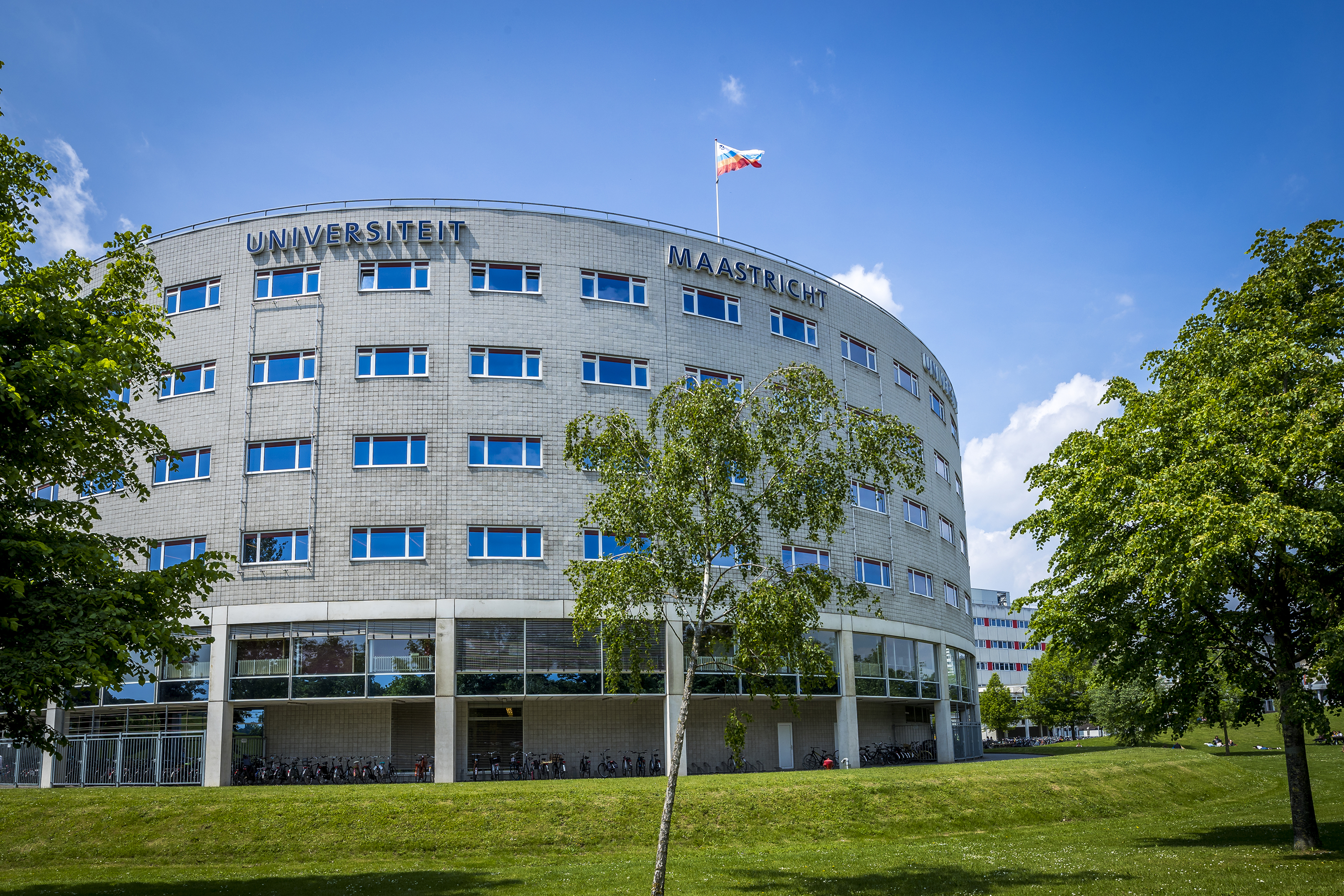
MERLN Institute
Maastricht University
Universiteitssingel 40 (UNS40), 6229 ER, Maastricht
The Netherlands
General contact number Maastricht University: +31 (0)43 388 2222
To contact a specific researcher, the preferred method of contact is via email.
50.834,5.7175
MERLN Institute
Maastricht University
Universiteitssingel 40, 6229 ER, Maastricht
The Netherlands
Route
How to reach MERLN
-
By bus
From Maastricht Central Station to Universiteitssingel 40 you can take bus lines 1, 2, and 5. Exit the bus at Station Randwyck (line 1), Endepolsdomein (line 2) or Forum MECC (line 5). The Universiteitssingel 40 entrance is across from the Randwyck station.
-
By train to Maastricht Randwyck station
Take the train to Maastricht Randwyck Station (not the central station!). Go up the stairs, go right and cross the street, pass by the Bakery Cafe and you will see the entrance to our office building.
-
By car
The input address for your GPS should be Universiteitssingel 40, Maastricht. Coming by car from the North. Take exit 55 (Randwyck), turn right on the Oeslingerbaan and again right at the traffic lights (P. Debyelaan). First right (Oxfordlaan), than left at the T-junction (Universiteitssingel). Follow this road until you see the parking sign for Universiteitssingel 30 - 40. Press the call button at the barrier.
-
Inside the building
When entering through the Universiteitssingel 40 main entrance, turn right in front of the reception desk, walk 20 meters and take the elevator to the 3rd floor. After exiting the elevator, the entrance to our office is on your left. Please ring the bell and someone will open the door for you.
Research Community

Research Community
Our research community
At the MERLN Institute, we aim to establish a strong research community that stretches far beyond our own labs. We foster the translation of our fundamental research into products with real-world impact in close collaboration with the Brightlands Health Campus, and we stimulate our researchers to understand and navigate the translation of their discoveries and encourage venture building.
MERLN is committed to helping the business community connect to our own entrepreneurs and innovative researchers and therefore continuously initiates new long-lasting collaborations with national and international partners. We facilitate connections between MERLN and industry, including entrepreneurs seeking access to our inventions and talent, large corporations looking to tap the institute’s research capabilities, and investors wanting to financially support our venture-building. Moreover, we organize and participate in a variety of outreach activities to inform the general public of our innovative research projects, the latest developments in the field of regenerative medicine, and exciting future prospects. And of course, we are very grateful to our philanthropists who make a significant contribution to our research efforts that will ultimately lead to the development of new treatment possibilities to help society and create a new, brighter future.
Discover MERLN
Discover MERLN
Who are we?
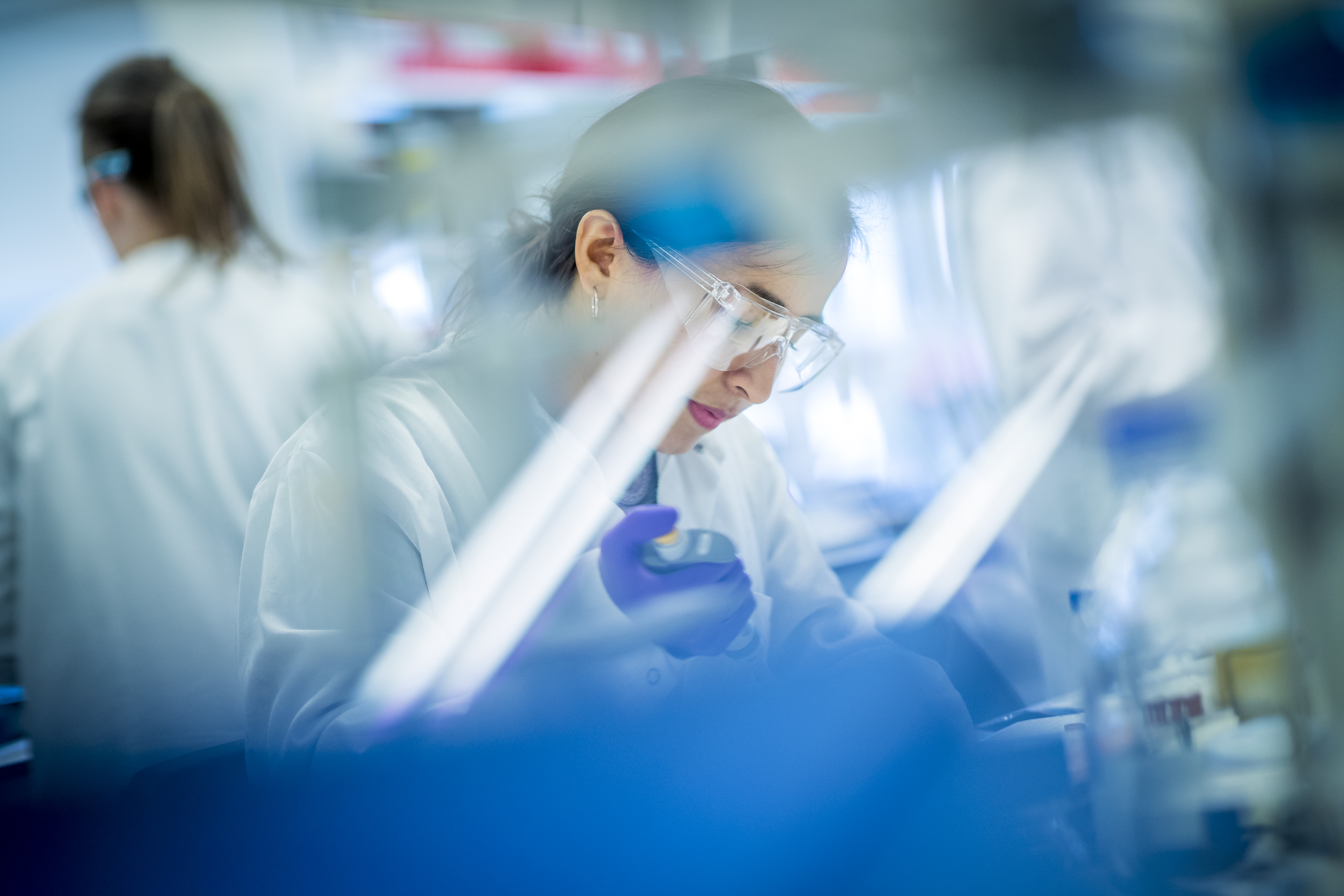
MERLN’s focus area is regenerative medicine, which encompasses a variety of therapeutic strategies that aim to augment, repair, replace or regenerate biological tissues. This emerging field involves various disciplines such as biomaterials, cell therapy, and tissue engineering.
Our principal investigators, postdocs and PhD students come from a variety of scientific backgrounds making MERLN’s research highly interdisciplinary. Moreover, MERLN is very international: we have colleagues from over 30 different countries from all over the world!
Discover who we are by checking out the menus above!